Guns Are Not the Only Way to Kill People

I am a big supporter of gun control. We will never get child mortality rates under control without proper gun control laws and without common sense regulations. The shootings will continue, and we will remain the only country who refuses to value human life over misunderstood 2nd amendment rights.

Guns are dangerous, obviously, but nothing is more dangerous than the consciousness of Americans right now. We kill people every day without any thought or concern, and we do it without guns.

We saw the historic overturning of Roe vs. Wade in 2022. Since then, there have been many women who have died because they couldn’t get proper care – women dying of sepsis from pregnancy complications. Some of them forced to sit in their car in the ER parking lot, while they bleed out, so they can be treated without the medical staff fearing legal action. In many cases, care was administered only after the patient was near death — some women dying waiting for their miscarriages to be deemed legally acceptable of intervention.
Trump’s “Big Beautiful Bill” will take healthcare away from thousands of people who will not get the proper health screenings, treatments and medications they need. Many rural hospitals will close, causing people to travel farther for care, resulting in some unnecessary deaths. This bill also takes food assistance away from children whose families are not able to feed them 3 meals a day. Malnutrition causes many chronic diseases and health complications. Does the government care? Not all. You cannot create a system where some die and some live and it’s only okay when you live and you get to benefit from the system.

Then, there are the less obvious ways we commit murder. Large healthcare organizations profit from people being sick and denying claims for treatment – putting more money in the corporation’s pockets while humans suffer and sometimes die.  We don’t really care about making people better or getting them what they need, we care about money. Money is more important than human life. Most healthcare companies make their profits off a mound of corpses.

We have a gun control problem in this country, no doubt, but that’s not going to end all the deaths, until we place a high value on human life over all else. Is capitalism really working for America? I’d say no.

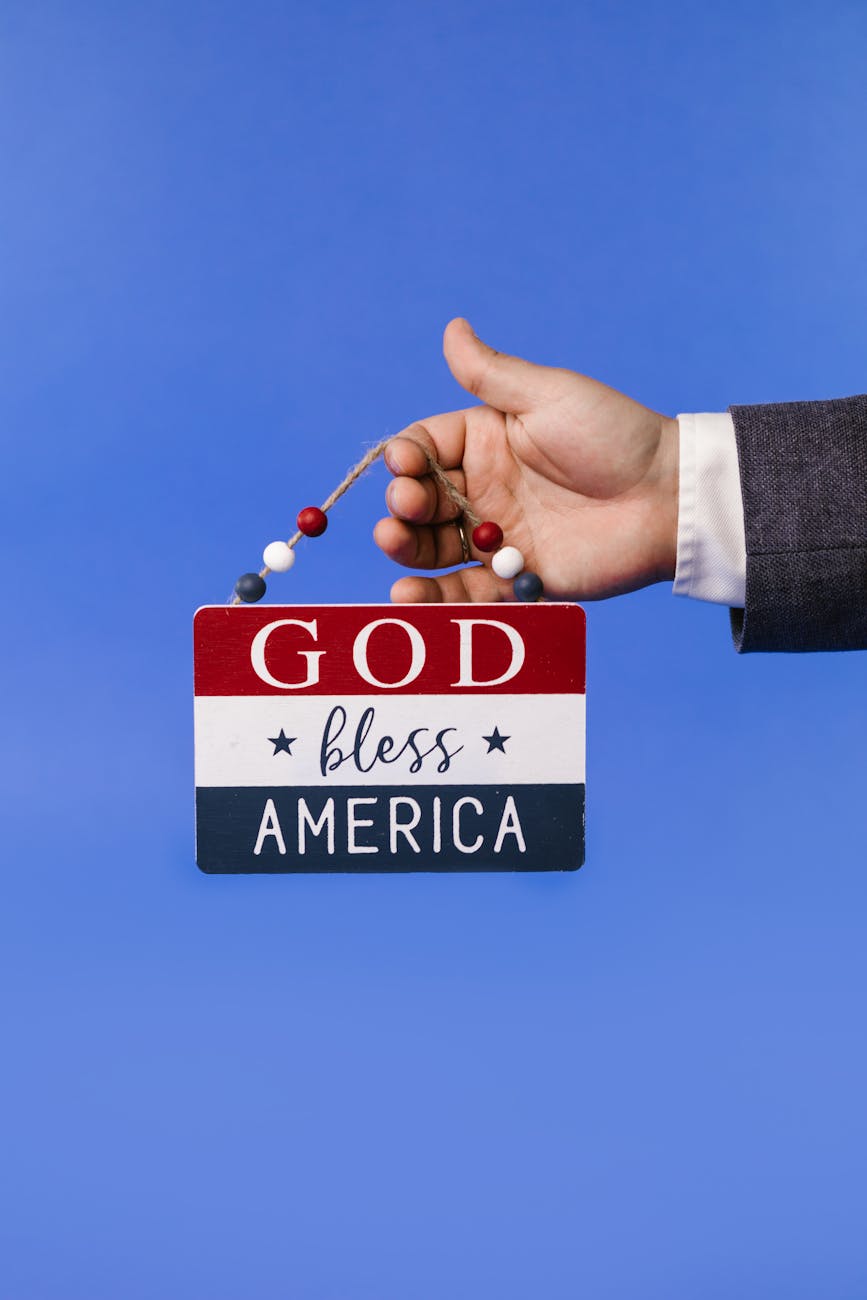
For the record, I am not a socialist, but I understand that capitalism has ruined this country and will continue to destroy us because it has gone unchecked for too long. Money is the God of America, not Jesus, as some Christian Nationalists will have you believe. We need a better system. A people first system.

We saw the assassination of political activist Charlie Kirk last week. I will not give this man a platform or go into detail about his death. I will say that violence is not how we should solve these problems in this nation. We are not living in the wild west. We should act like a civilized society. I can condemn violence and at the same time, condemn a man who lived his life spewing hatred and vitriol at marginalized groups of people, which, studies show, often emboldens cults like MAGA to go out and commit acts of violence against those people.

Our fellow Americans who are black, gay and trans are victims of violence at alarmingly high rates. They (we) are murdered by police during traffic stops or just simply walking home in many parts of the country.

We have ignored violence and death in other countries, too. We have indifferently watched the atrocities going on in Gaza. Our government has been implicated in these deaths, often choosing to do nothing while innocent children perish.

Then, we have a President who says he “hates his opponents” and “doesn’t wish them well.” He is a felon and a sociopath. He talks bad about people like former Vice President Kamala Harris, making incendiary comments and then pulling her security detail. The implications are clear. Are we really seeing this in America?

If all of this wasn’t enough, there’s Alligator Alcatraz. What a sickening invention. A concentration camp on American soil.

Guns are not needed to live in a violent society. Guns are not the only way to take a life. We are witnesses to that right now.
Willful Ignorance and Stupidity Are More Dangerous Than Hate

Photo by RDNE Stock project on Pexels.com

Most people will tell you that the biggest issue facing America today is hatred and racism. But where do these broken mindsets and toxic parts of our thinking come from? They come from ignorance. They come from the idea that you know it all and you need not listen to anyone else’s opinions, viewpoints or experiences. They come from believing false ideas about the world and about others.

The sad realization that many people in this country have chosen to ignore the obvious, denounce critical thinking and refuse to be teachable, is the most alarming thing right now. Flat out hatred is easy to spot and combat at times, but stupidity? Not so much.

I am not referring to “dumb” or “stupid” as not having a college degree or not having a certain IQ. I am referring to very intelligent people who work as teachers, doctors, lawyers and journalists. They are from all walks of life — they exist in my family and in yours. They get their news from unreliable sources, they cling to outdated ideas, they ignore the findings of modern science and psychology and often times, value money over humanity.

Recently, Trump signed an executive order that allowed the VA to discriminate against veterans who are democrats and refuse them care because of their political party. This seemed so insane to me, I thought that this must be “fake news.” Upon further research, I found out that it’s true. And guess what? Most people are carrying on as if it’s all business as usual.

This should outrage everyone in America, regardless of their political affiliation. But some people believe Democrats are evil. The things that they fight for — women’s rights, LGBTQ rights, affordable healthcare, immigration reform, clean air and water — are somehow the reason for all the ills in the world. Instead of researching that it has mostly been Democrats that have championed so many progressive movements and we ALL, regardless of party, enjoy the freedoms and rights these movements have given us.

Stupidity and willful ignorance are dangerous. A person who wants to fly a plane without any experience is dangerous. A doctor who refuses to look at new medical data and information, is putting your health in jeopardy.

My grandmother on my father’s side, believed she knew it all when it came to socialized medicine, transgender issues and immigration. Her mindset was stuck in the 1950s — a different time and a different world. I tried my hardest to educate her and explain new scientific findings, as well as, psychiatric information. It always fell on deaf ears. In her mind, immigrants were the cause of our broken economy and job shortages, trans people should just admit they’re really gay and stop wanting equal rights, and nobody should get anything for free, even if they are disabled, poor or marginalized. She was a woman of privilege — white, educated, inherited a nice home from her mother, who was an Italian immigrant. She also was Catholic. She passed away several years ago — still willfully ignorant. It both angered me and saddened me at the same time.

My grandmother, like many people in this country, managed to get married, have children and raise them, work full-time and take care of herself and her family. She was not dumb, but she voted for policies that would take her gay and disabled grandson’s rights away. She voted for policies that would negatively impact her own healthcare and social security. Trump served a full term before she passed away and her life was not better when she died. Most people’s lives were not better. They were a mess. We were just getting out of the circus that was the pandemic. People were suffering financially and physically from long COVID symptoms. My grandfather had a stroke and got sick with COVID in the ER. He was never the same and he eventually passed. Nobody had more money, a better job or better healthcare. And I’m pretty convinced that if my grandmother were alive in November 2024, she would have voted for Trump again.

Willful ignorance is dangerous. It is destroying this country and will be our demise. People who just sit by, stupidly believing whatever they heard from Fox News, TikTok, or some wacky chain email, while the world crumbles around them. Social media has its benefits and there are plenty of reputable people reporting accurate news and information on there, however, willfully ignorant people will not fact check what they hear or see, and they won’t really believe anything that doesn’t already reinforce their own misguided beliefs.

The Southern Baptist Convention recently met to hold a vote on reversing gay marriage in the US. A reporter was interviewing a man at the convention and asked, “So, you want to undo gay marriage in America?” The man replied, “Yes, that’s right.” The reporter then asked the man, “Would you be upset if people tried to undo your heterosexual marriage?” “Yes, I absolutely would, the man replied.”

Stupidity. It’s dangerous.

Why Is Deconstruction A Dirty Word?

Photo by Pixabay on Pexels.com

I’m sure that you’ve heard the new “diry word” going around in today’s faith communities. The D-word. Deconstruction. Yes, the sound of it ruffles feathers and makes eyes roll – understandably so. There are a lot of negative connotations associated with the deconstructing process.

The first thing that surprised me about deconstructing was that so many people thought this was a new and dangerous undertaking that one decides to go through, rather than something we all inevitably wind up doing at some point in our adult lives if we are honest.

I went through 8 years of Catholic grade school. Years later, after high school, I had moments where I questioned all I learned in church and in Catholic school. I questioned God and doctrines and my own faith. I wondered if God was personal, loving and able to help me overcome things like depression, anxiety, substance abuse and chronic unemployment. If God was really powerful and loved me, then why would He let me go through this? And was God a He? Could I be gay and Christian? I explored these questions and more, in and out of community. I found a spiritual director. Actually, I found many. I got myself into therapy. I read books from the mystics, saints and philosophers. I joined safe spaces that let me explore my faith in all its complexities and I found out that others were doing exactly the same thing. I was not alone.

So, that’s why it came as a surprise to me that some people see deconstructing as this controversial thing. We’ve all been doing it in some form or another throughout our lives. We humans are prone to doubt, fear and uncertainty. We’ve all experienced deep loss and trauma and we seek answers. We may wonder if our faith is enough to sustain us through the dark times.

For some, they can run the risk of throwing out the baby with the bathwater. Faith becomes something that must be explained by science and have neat and tidy answers, otherwise, it’s not worth believing in. For these people, surety and certitude become the goals. Everything has to make sense and fit into the right box. This, I believe, is where deconstruction takes a turn for the worst. The truth is, we will never have all the answers this side of life. Not everything will make sense and life will often confuse us and bring us to our knees in grief. God will remain somewhat elusive, and we can let that evoke a sense of awe and wonder in us or we can fight against it and demand answers. Admittedly, the latter is going to seem more attractive most of the time.

I should mention that many of us have been abused. Spiritual abuse is a real thing and can drain a person’s soul. We need time to heal and find our way, but we also have to remember that the people who abused us do not represent God’s love and so we shouldn’t blame God for what broken people did to us.

Deconstruction is not a dirty word. It means we are real enough to ask questions and explore our doubt. We lose faith and we gain it. We go through moments in our lives where we don’t feel God’s presence and we question everything we’ve been taught about our faith. This is all normal. Dark nights of the soul are nothing new and we may experience many in our lifetime. It doesn’t mean that we did something wrong or that everything we’ve learned about God is a sham. It is important to do away with unhelpful beliefs about God, ourselves and the world. If you find that you can longer stay in your church community, that is okay. It’s fine to leave and take a break temporarily or permanently. It’s important that you feel safe and welcomed no matter where you are on your journey and no matter who you are.

Remain prayerful. Stay the course. Bring your doubts and fears to God or to the God you no longer believe in. Just keep showing up. Faith is called faith for a reason. There are some things we are going to have to accept as a mystery. The only enemy you will face in this process is the need to understand and explain everything logically. You will never be able to do this. Nobody wishes that this wasn’t the truth more than me, but it is.

And lastly, remember that God is in the deconstruction process. The process is never meant to get you to do away with God and your faith and spirituality, but rather, to help you grow into a healthier one.

Some people become atheists, which I don’t think is the place that we should end our deconstruction. Others dabble in different religions. I studied Buddhism and Taoism. It was interesting to learn about these traditions, but the truth is, Christianity is such a rich tradition, full of so many treasures, that we can study it our whole lifetime and still have more to learn. So, learn the faith tradition that you critique. It’s always good to know the tradition you are deconstructing really well, so you can do it really well.

I will leave you with this…

I have been through devastatingly dark times, abusive relationships, a dysfunctional childhood, multiple chronic illnesses, depression and the loss of my ability to work full time and support myself. So, why am I still a Christian? Well, the first reason is that I’ve learned you don’t become a Christian to escape hard times. The second, is that Jesus chose me. I find myself pursued by Him. I have tried to walk away a few times, and yet each time I found myself being found by Him. It’s something I can’t quite explain, which is what we often call faith.

Deconstruction or whatever name you want to give it, is something that is an ongoing process. We are never done. I am still finding new questions to ask and new doubts to wrestle with each year that goes by.

My prayers go with you on your journey.

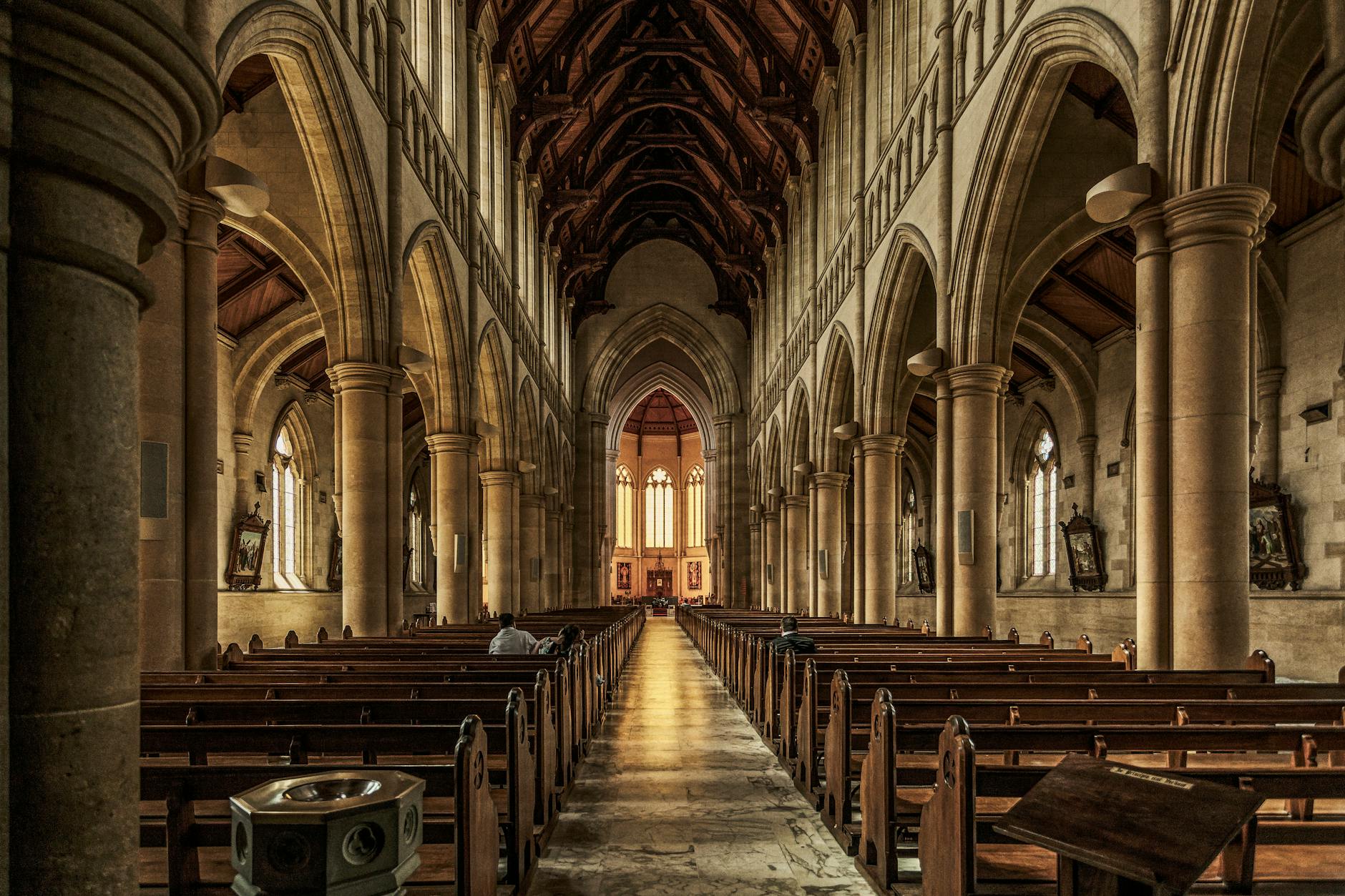
Is The Church Paying Attention to Who Is Sitting in The Pews?

Photo by Robert Stokoe on Pexels.com

We keep hearing about how church attendance is plummeting, leaving everyone wondering what is going to happen to the institutional church.

Many people blame the pandemic and lack of faith. There is critique of the younger generations – how they are lazy or have no need for organized religion.

What if there was more to it than that, though? This is certainly not the first time the church has gotten it wrong and been her own worst enemy.  Yes, it’s true that Gen Zers have less need for a faith community and can be hypercritical of doctrines, but is that really a bad thing? And is this really the reason for a mass exodus from our institutional church?

The problem, it seems to me, is a lack of knowledge of who is sitting in the pews week after week. For decades, I have attended mass and other church services  listening to messages that were out of touch and ignorant to the situations of the congregation. Do pastors know who is financially struggling in their parish? Probably not, because most people having financial troubles are not likely to advertise them to everyone. They feel shame and embarrassment and on top of those negative feelings, hear sermons and lectures about how they should be giving more of their money and time. Imaging how this sounds to the single mom working 2 or 3 jobs to support her family. Does the pastor know her? Reach out to her? Sadly, for people who like to say we follow Christ, the answer is often times, no.

What about the LGBTQ+ members of the church? Does the pastor know them by name? Do they go out of their way to make them feel welcomed, included and affirmed in the faith? What about people with disabilities and mental illness? Is the church reaching out to help those of us who suffer with chronic illnesses? Again, sadly, often times, no.

Of course, there are exceptions to this pattern and I would be remiss in not mentioning that some wonderful people are doing extraordinary things in their faith communities, but in my experience, I have sat in church on several occasions feeling unseen, unheard and sometimes even totally dismissed. For these reasons, I have left the church. I have heard tone deaf sermons and homilies filled with ridicule and guilt trips coming from the pulpit. I have seen pockets being stuffed with money and very little of it goes to programs that benefit marginalized communities in the church. It seems it’s “Not what your church can do for you, but what you can do for your church.” And while it’s important that we give back and participate in our faith communities, the marginalized are certainly not responsible for making the institutional church “survive.” Only when we see that shift, where there is a clear understanding that sitting in the front pews, are the marginalized, the outcasts, the poor, the abused – then, I believe, we may see a shift in attendance and the revival of church community.

This model we have now hasn’t been working for some time if we are honest. We show up to mass or service to be spoken at from the altar, as if we are there to learn a lesson, to pass a cosmic exam. We are spoken to like we are not the heartbroken and the desolate. As if WE are not the poor.

Many years ago, I belonged to a faith community that didn’t show any compassion for my disability or health issues. I was just one of many in the crowd. I saw other people neglected – the lonely, the doubting, the angry. People who wanted to forgive but didn’t know how or what forgiveness really meant. Nobody took the time to explore those feelings with them. It was just preached from the pulpit that forgiveness is what we do, and we should just get about doing it. It was also used as a way for church leadership to manipulate their way out of accountability. “Just forgive and forget,” they would say. Helpful? Not so much.

And then there are the narcissistic pastors, who at their worst, abuse and neglect the community and at their best, use their platform to grift from the church and draw attention to themselves, their cause, and their agendas.

My question to the intuitional church is: Does this sound life-giving? Is this the church Jesus envisions? No, I think we are called to vibrant and diverse communities that get to know each other, help each other. Rejoice with those who rejoice, mourn with those who mourn. – Romans 12:15

The church will not survive shifting blame onto the people it is supposed to be shepherding.

So, I ask this…

Do you, Church, want to know us? Do we want to know each other? Accept each other? If so, I think there is reason to hope in the institutional church.

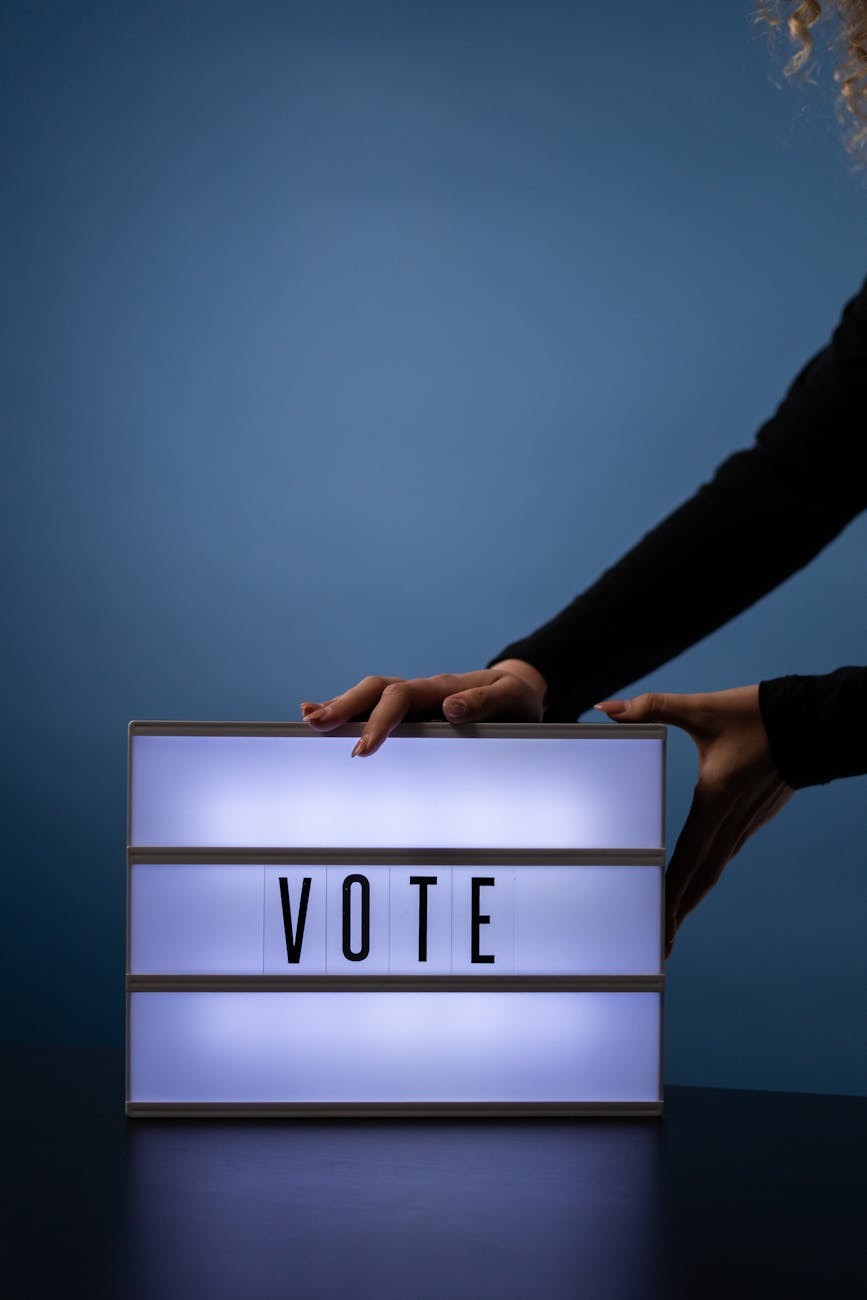
A prayer for democracy

Yahweh, Protector of those who love democracy,

give us the strength to protect our countries against any negative forces:

who spread racism, populism, radicalism and anti-Semitism,

who rebel against others and make them scapegoats,

who abuse freedom of speech to hurt and lie

and to spread conspiracy theories,

who act out of anger and resentment,

who can only think ‘either/or’ and not ‘and/and’,

who always blame the other and never see their own part.


Yahweh, Protector of those who love democracy,

give us the strength to ever resist such forces,

as we know what it may lead to,

and what we hope never to experience (again).


Yahweh, Protector of those who love democracy,

give us the strength to ensure a nation in which:

each person is free and equal to another,

all kinds of gender have equal rights,

no difference is made between people of different sexual orientation,

everyone has access to good education,

everyone can go to synagogues, churches, mosques and temples without fear,

where children grow up safely,

where the sick and elderly are nursed and cared for,

where minorities are protected,

where everyone’s opinion is valuable to be heard,

and in which nature and culture are protected and cared for.


Yahweh, Protector of those who love democracy,

give us the strength to protect our nation,

as we are grateful to live in a democratic country.


Amen.

—Jom HaShoa

Why Do We Celebrate Disability Pride?

We celebrate Disability Pride in the same way that we celebrate Pride in June — to be visible and to advocate and educate. We celebrate that while the ADA (American Disability Act) is not perfect, it makes discriminating against disabled people illegal.

We do not celebrate the fact the we are disabled or have a chronic illness. We celebrate that we matter and have inherent worth and value, no matter what our abilities or disabilities are.

Consider spreading awareness this July or donating to a charity that helps those with disabilities.

Gratitude Misunderstood

Gratitude has taken on a certain connotation. Many people think of gratitude as a sense of happiness and thankfulness for life’s pleasures both big and small. Usually it’s associated with something “positive.”But what if we find that we are grateful for things that maybe we don’t think we should be? What if we are grateful that we don’t think about unhealthy relationships with people from our past as much as we used to? What if we are thankful that a person is no longer a part of our lives and that we no longer miss them?

Possibly you find that you are grateful that you got fired from that job for whatever reason. Or maybe you are thankful that your divorce is finalized or that your roommate moved out and you can finally have some space.

I have had extremely complicated and often toxic relationships with certain members of my family. Some of them are now deceased and while I feel sad that those relationships will never be healed or rectified, and that those people died without making an effort to fix what was broken by their doing, I am grateful that I no longer have to to deal with those situations.

One day I was in the store buying cards for people because of an upcoming holiday. Usually, I catch myself smiling when picking out funny cards or cards that express beautiful emotions of love and affection. But other times, searching for the “right card” for someone in your family that you have a complicated relationship with can be very taxing. I suddenly realized that I no longer had to worry about endlessly searching for cards for people in my family that were really unkind and hurtful to me. I would be overwhelmed with feelings of anxiety, stress, anger and flashbacks of painful memories whenever I had to pick out a card for these people. I would be reminded of how selfish they were and how I would never have a normal relationship with them. But that is over now and I am grateful.

Sometimes guilt can accompany feelings of gratitude for situations like these. We think to ourselves that we shouldn’t feel that way or that we are heartless people for thinking such things. No, we are often times trying to process trauma, pain and navigate a world where people that were supposed to love us did damage to us instead.

Truthfully, my deepest wish would have been to have everything be healed and made new — a fresh start where amends were made and healing could have taken place. But that didn’t happen. What happened is what happened and I am grateful that part of it is now over.

Gratitude can take on many forms. I always believed that you cannot force true gratitude. It’s a gift. Be grateful for the gift of gratitude even if you find it in some complicated and unexpected places.

Wishing you healing and peace… 

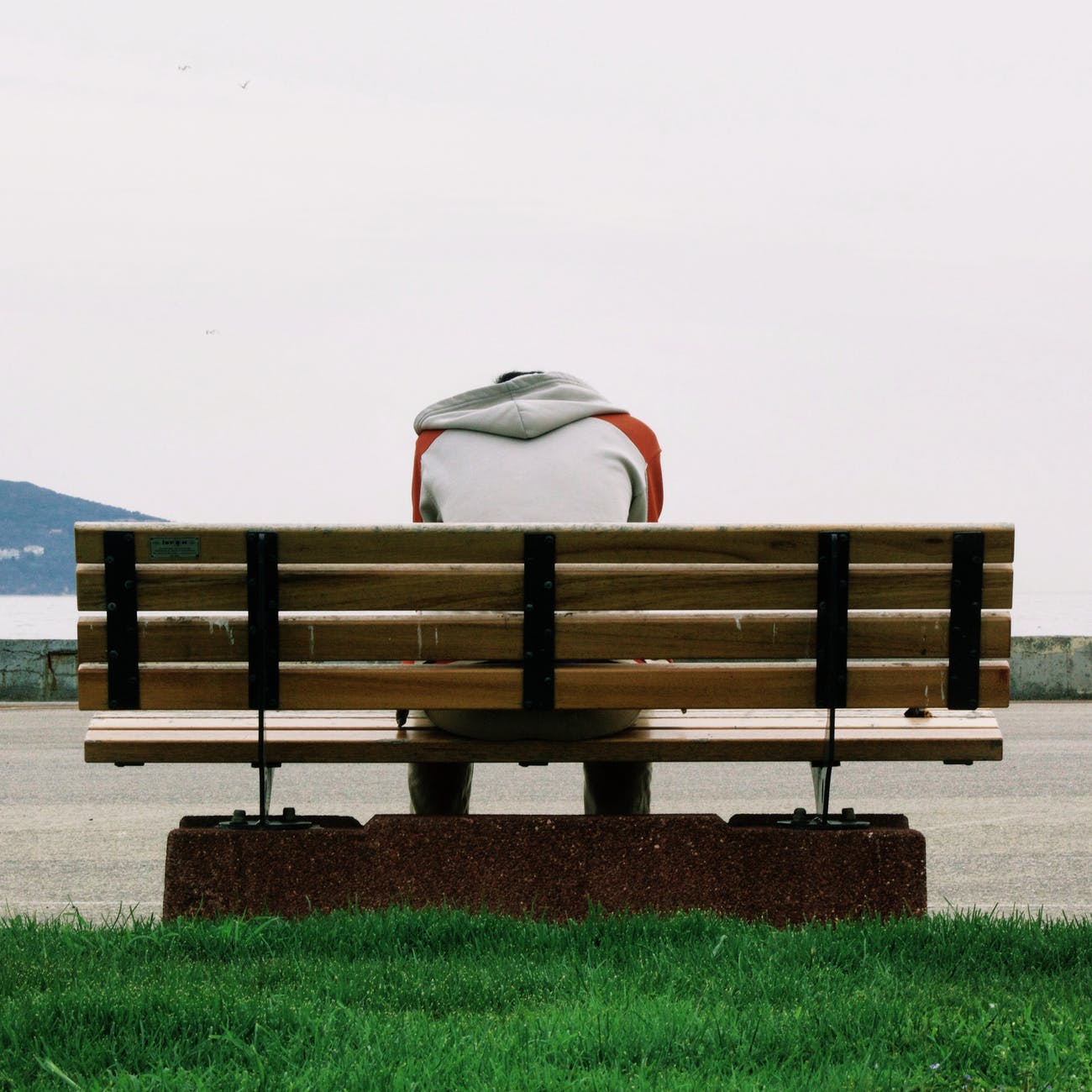
Loneliness

Photo by Marina Shatskih on Pexels.com

Since the start of this pandemic loneliness has been skyrocketing to epidemic proportions,  but loneliness is something that has always existed even before our world came crashing down in 2020.  That feeling of having a deep ache and longing for connection and interaction is intrinsically part of the human condition. It is complicated to connect with people when our world is so fixated on technology — that while can be useful in bringing us together through mediums like Zoom and FaceTime, often only widens the chasm between us.  Social media has replaced social connection.  For the record I’m not one of those people that demonizes social media in an attempt to blame all of society’s woes on Facebook and Instagram. However, I would be remiss in not bringing up the many examples of how it has hurt our world more than has helped it.  It’s rather unfortunate because social media does have the capacity to create community if used properly —  and certainly there are examples of that as well.

Having a chronic illness can be very lonely.  You don’t have to be completely alone in order to feel this loneliness, as often times, those of us who are sick are surrounded by many people that cannot imagine what it’s like to walk in our shoes or sleep in our beds. We feel that deep ache of being the only ones going through what we are going through. This is because more people doesn’t equal less loneliness. It’s the quality of people around you and their willingness and capacity to understand and empathize with you that can make the difference. Many of us can be in a room full of people and still feel alone. Many of us can have tons of friends and still feel like nobody really gets us…because the truth is, we need people in our lives who are able to connect with us on a more than basic and superficial level. In order to ease those lonely feelings, we need to know that we are heard and understood and valued by the people that mean the most to us. It has become increasingly more difficult to find these connections in a world that keeps separating and dividing and distracting humanity from the deepest cries of our soul. 

There are no easy fixes to this problem in general, but even more difficult to rectify for those of us who are chronically ill. Friendships can be hard to find and cultivate and rarely come out of thin air.  When they do come along, there are often challenges to navigate. How much do you reveal about your illness to a new friend? Will they be accepting of your limitations? I won’t even mention how difficult and complicated dating can be. I’ll save that for another post.

When I was diagnosed in my late 20s, many of my friends did not know how to handle the situation. Some of them just disappeared. It can be an extremely painful experience to watch relationships that have been built over time deteriorate and destruct over something you have no control over and it often leaves you wondering if you’ve ever really had a true friend to begin with.

The same situation can be said for family members as well. People in your family who you thought would always have your back and support you can become awkward and distant.  In the worst case they can be very callous and cruel.

I mentioned chronic illness here because this is, after all, a Blog about chronic illness and I’m writing it from my perspective, but in reality, you may be perfectly healthy and will still relate to everything I’m saying. This is because loneliness is universal and not contingent on health or sickness.  

Things have gotten so bad, that there are actually telephone numbers you can call if you are experiencing loneliness and anxiety. They are not suicide lines, although if you call with those feelings they will connect you to the right people. No, these are lines where you can call at 2 a.m. in the morning just to talk to an actual human being and tell them that you can’t sleep — that you’re stressed and lonely.

They say one is the loneliest number but is that always true? Let’s say you’re in a relationship with someone who’s very abusive and you walk away from that relationship. You may find yourself feeling able to breathe again. You may feel your soul beginning to open up and feel alive again.  You may be alone but you’re not lonely. 

I think as long as there are human beings there will always be loneliness. It’s a part of who we are. We come into this world alone and when we leave it, we can’t take anyone with us. But there are things we can do to minimize it. We can start talking to each other and really listening. We can start accepting people who are different than we are. We can learn to love ourselves in a healthy way so that we can love others in a more healthy way. Instead of using social media to feed our narcissism, we can use it to reach out to those who are marginalized or use it to inspire change and use it to educate and uplift.  We can check on our neighbors.  Literally. Do you know who your neighbors are? Have you ever taken the time to get to know them or to say hello and wait for a response? If you have, good for you.  If you haven’t, maybe it’s time to start. You just might be surprised at what happens…

http://www.contacthelpline.org/emotional-listening-support

Numbers

Numbers are an important part of our world.  They assign value and give meaning to everything from our calendars to our bank statements.  But what happens when we become obsessed with these numbers?  For example, how many Instagram followers do I have or how many people liked my Facebook post?  And what number is my podcast ranking this week?  It seems I haven’t been able to escape these questions about numbers for the past few weeks.

I have a podcast and I started it because I wanted people to feel like someone else out there in the world had their back and understood them. I, like many others, suffer from a number of chronic illnesses. This can be difficult to manage and can make life very complicated and limited. It’s often helpful when we share our experiences with others so we don’t feel so alone in our tribulations. So that was the point of me starting the podcast.  

Even though I’m a graduate of a technical school that teaches audio editing, engineering and voice over for radio and television, I have not worked in that industry in quite some time. It is a rapidly changing field in which equipment quickly becomes outdated and obsolete. 

I decided to take a podcasting course online to brush up on my technical skills. It was absolutely fantastic. It was very user-friendly and I sped  through the modules pretty quickly. At the completion of the course you’re invited to a podcasting community page. It’s sort of a support group for podcasters that are just starting out. Overall it was a really fun and stimulating experience, but when we got to the topic of marketing the podcast, I realized that I did not possess the same enthusiasm for numbers that my peers/classmates did.  The focus intensely became on gaining listenership and all the work that goes into that. Now, let me add a sidebar here.  I am completely aware of the fact that marketing is an essential part of any endeavor in which an individual wants to make money at or gain an audience.  I’m also not against people trying to make a living or even trying to get rich from an art form. There are, on occasion, people who feel entitled and think that you should be throwing twenties and fifties at them every chance you get just because they decided to be artistic, which, is a big turnoff.

Back to podcasting…

It’s difficult to maintain authenticity and integrity in one’s work when the focus becomes solely on the numbers. The number of listeners and the number of subscribers and the number of downloads and the number of followers, ect. It can be exhausting and can really suck the fun out of a project. I understand the need for it and again, people need to make money and eat. 

Here’s the issue I take with all of this,  besides the fact that I’m not really a marketing person. The hard truth is that not everybody is going to have the number one podcast or the number one album or the number one book on the New York Times bestseller list.  And guess what? That’s okay. That’s just the reality of it.  There’s nothing wrong with you doing something because it’s your passion regardless of who is watching.  Whatever happened to doing something just because it’s a part of who you are or because you want to reach a certain demographic to help them feel less alone or just for laughs? If you constantly equate yourself with a number and you count on that number to give you your value and self-worth, you will never be happy because the anxiety of looking over your shoulder at every turn to make sure there’s a crowd of people following you, will kill the joy out of what you intended to do in the first place. And a number does not define how successful you are. You define how successful you are. You get to decide what success means to you. It’s very important to keep in mind that we all are going to fail at some point, at something, and some of us will not make the cut in terms of the world’s standards.

I’ll tell you a quick story. There once was a sort of famous singer that I won’t name, that was playing an event in Asheville, North Carolina.  They had forgotten to bring something that was really important and their personal assistant had happened to come down with the flu, so they decided to hop in their car and drive to the local Walmart with a few friends to get this particular product they needed. At the checkout line,  the cashier happened to notice the singer and she gushed, “Oh my God, oh my God!,  I heard you were playing in town and I wanted to get tickets but I couldn’t get a sitter for my daughter…I sing, too, you know,” she said nonchalantly. The famous singer replied, “Oh really, do you mind singing right now or will your manager get upset?” “Hell no, I’ll sing you a few songs!” There in the middle of Walmart, this cashier belted out Aretha Franklin, Jennifer Hudson and Whitney Houston songs absolutely effortlessly.  The famous singer said, “Well, I can’t make any promises but I certainly can you get you heard by a few people.”  She looked puzzled and said, “Babydoll, I sing for Jesus.  I sing in my church on Sunday. I’m not looking for a record deal. I just wanted to let you know that I’m a singer too and I know the joy it brings to your soul when that music moves through you. It’s a really spiritual experience. I sing for God and I sing for myself and oh yeah maybe a few people here on the checkout line, too,” she chuckled.

Here was a woman working in retail that had an opportunity to maybe get a better gig. Some people may call her flat-out stupid. But she was just singing because singing is what she does. It was a gift that was given to her by God and in return she gives it back to Him and, from time to time, some lucky people that happen to get on her line. No, she’s not concerned with Instagram followers or Facebook likes or going viral. After all the commotion on the checkout line, she shared that she was actually going to school to be a nurse. She loved working at the hospital and singing songs to the patients to brighten their day.

So while being Taylor Swift might be really cool and it’s fun to imagine ourselves with millions and millions of dollars, what I learned is that it’s the small things in life that really make the biggest difference. You don’t have to have a number one hit record and be performing at the Grammy’s to be someone. You can perform on a Walmart checkout line, or you can perform in church or a hospital room for someone who is scared and just needs a comforting song to get them through the night.

I can’t tell you what to do with the gifts that you’ve been given. That’s for you to decide and pray about,  but what I can tell you is that not everybody has to have the number one in front of their name in order to be successful or of value or of significance. It’s often the quiet ones, that sing their song in obscurity, that shine the brightest. 

The Mighty – Guest Post

25 Things to Do When You’re Too Sick to Leave Bed

By Erin Migdol

Sometimes (or often), the fatigue or pain of your illness means you aren’t able to leave your bed — and that’s OK. You’re taking care of your body while it gets the rest it needs. But, let’s be honest — it’s not easy to keep yourself entertained in bed all day, especially if you have a chronic illness that requires frequent stay-in-bed days

So, we asked our Mighty community to share what they do to keep themselves occupied while they’re too sick or in too much pain to leave bed. They revealed some creative (and relaxing) ideas that can help keep your mind busy without hurting your body. Share your own ideas in the comments below.

Here are the ideas they shared with us:

1. “Having to go from outdoor enthusiast and adventurer to being bedridden and having days filled with chronic pain and symptoms was terribly devastating. Something as simple as bird feeders out my windows has kept me in touch with nature and photographing visiting birds keeps me feeling useful. On difficult days, this disconnects me from being overwhelmed by chronic illness.”

2. “Netflix is my best friend. I’m always binge watching new shows. ‘How I Met Your Mother’ is my current indulgence. I’ve watched ‘Bones’ probably six times all the way through.”

3. “I studied biology at uni, so I pull out the textbooks I never read and learn something new. If it’s an old concept, I might go read some research papers on more recent discoveries. This, plus the documentaries section of Netflix makes it feel like I’ve done something productive (learning), even if I can’t move.”

4. “I decided to take up crochet. Turns out that I am actually pretty good at it. In the seven months since I started crocheting, I have designed and written multiple patterns, one of which has been downloaded around 50,000 times on Ravelry… Finding something creative to engage your mind is key to surviving the bad days with a positive mindset.”

5. “I edit pictures on my phone using tons of different apps. Photography is my passion, and I love editing pictures that I take and coming up with new designs to go with them. It’s really relaxing.”

6. “Knitting. I had a friend ask if I could knit the squares that could be sewn into blankets for domestic violence victims who have to leave with minimal belongings. So she donated the yarn. Knitting is my relaxant.”

7. “I’ve started trying watercolors. Found some cheap supplies at Michael’s. Got watercolor paper $5, watercolor paint $5 and watercolor brushes $5.”

8. “Get some good books, preferably ones with large font so you don’t get a headache along with the body pain.”

9. “In-bed yoga is something I love. It loosens up my joints and I really need that with fibromyalgia.”

10. “I love to blast music and write…with my furry companion. I write whatever I’m feeling sometimes poems or songs. Sometimes it’s just font work but it always helps, and gets out a lot of pent up feelings. The music choice also reflects the pain.”

11. “I think it’s really important to invite friends/family to come and sit with you even if it’s just to watch TV because you’re too tired to socialize. People sometimes ask what they can do to help and the biggest thing is helping us keep from being too isolated. We need company and socialization. Maybe even video chats would be a good idea!”

12. “I have begun sketching, it’s not only something to distract me but I’ve found some great satisfaction from doing something that produces an end product, so I can look at it and see I have at least achieved something.”

13. “I get on social media and congratulate people who achieved goals, encourage those who are trying, and tell people they are beautiful. Lifting up others always makes me feel better.”

14. “Reading cheesy teen fantasy lit. They’re mindless and formulaic enough that you can still follow the story even if you’re distracted by pain and/or on some righteous meds that don’t quite knock you out, but interesting enough that you’re entertained for a few hours.”

15. “I love my Flutter and Flutter: Starlight apps for when I’m stuck in bed all day. They’re like a butterfly garden at your fingertips and there’s always something to do on the app. Very calming as well!”

16. “My awake hours are spent perusing Asos and Beauty Bay, putting together outfits for after I have heart surgery. It sounds like nothing, but for the short time I’m awake, it helps.”

17. “I color. A lot. Lots of books and even way more pens/pencils. Sometimes I tell myself just an hour or two but before I know it the whole day has slipped by and I’m still coloring.”

18. “I would say hobbies that you can find at the front of any Barnes and Noble store. Knitting, plate decorating, origami, painting, cooking, model building, card making, wreath making, etc. I even play with kids toys because I have a young daughter but it helps me as well. I find Play-doh, kinetic sand, and coloring and spin art is a great de-stressor and relaxer.”

19. “I’ve just started a three-month free trial of Audible. Really enjoying ‘reading’ without the fatigue actual reading causes.”

20. “I look for online deals for items to help homeless people. I am slowly (as I have a very low income through SSD) making kits to give homeless people. The kits will have some needs as well as some ‘fun/want’ items that I’m sure they rarely get.”

21. “I’ve gamed since I was 3 years old for pain, it’s so immersive and distracting, and became a huge hobby for me to be a character or avatar that was like me, without my pain or illness, and it made things easier to cope with.”

22. “Duolingo, it’s an app to learn new languages in a game format.”

23. “Listen to podcasts! There are podcasts for every taste. And, as a bonus, some hosts’ voices put me peacefully to sleep.”

24. “I enjoy YouTube a lot. Makeup tutorials especially. I play in my makeup a lot trying to duplicate the things I watch. I just sit up in bed. Or sit in a chair in front of my mirror if I’m having a good day.”

25. “Never hurts to try to learn more. Choose a random Wikipedia entry and start reading. Wikipedia is fun because you can often start on one topic and easily find yourself on another topic far far away.”

https://themighty.com/u/erin-migdol/

https://themighty.com/topic/chronic-illness/